Vintage Back to School Junk Journal Kit: A Practical Evaluation for Crafters
The concept of a junk journal has evolved significantly from simple scrapbooking into a sophisticated form of artistic expression that values texture, history, and personal narrative. For adults seeking to capture memories or create unique stationery, the Vintage Back to School Junk Journal Kit represents a specific niche within the digital crafting market. This resource is designed for individuals who appreciate the aesthetic of old-school education, blending nostalgia with modern utility. Unlike physical craft kits that require shipping and storage, this digital download offers immediate access to high-resolution assets tailored for creative projects.
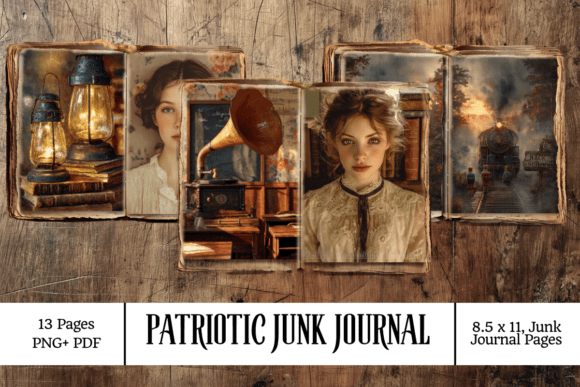
Understanding the composition of this kit requires looking beyond the surface description. It is not merely a collection of images but a curated bundle of 13 distinct pages featuring vintage-inspired back-to-school designs. These elements include classic imagery such as old-school stationery, worn school books, classic pencils, and blackboards. The appeal lies in the cohesive theme; rather than searching for disparate clip art, users receive a unified set of ephemera that can be seamlessly integrated into larger projects. The inclusion of multiple file formats—PNG, JPG, and PDF—ensures versatility, allowing creators to use these assets in both digital design software and traditional physical crafts.
Digital Accessibility vs. Physical Inventory
One of the primary distinctions of the Vintage Back to School Junk Journal Kit is its delivery method. As a digital-only product, it eliminates the logistical challenges associated with physical craft supplies. Traditional junk journaling often involves sourcing actual vintage items, which can be time-consuming, expensive, and subject to availability issues. In contrast, this kit provides instant access via a shared Google Drive folder immediately after purchase. The process begins with receiving a PDF containing a detailed description and the necessary link to download the files.
This digital approach offers significant advantages for the busy adult crafter. There is no waiting period for shipping, no risk of damaged goods during transit, and no need for additional storage space. However, it also presents a different set of considerations. Users must have the technical capability to manage digital files, organize folders, and handle printing workflows. While the convenience is undeniable, those who prefer tactile shopping experiences or who lack reliable internet access may find this format less appealing. Furthermore, the absence of physical items means the user must provide their own paper, adhesives, and binding materials, which adds to the overall cost and effort of the project.
Evaluating Quality and Print Specifications
When comparing digital kits, resolution and print compatibility are critical factors. The Vintage Back to School Junk Journal Kit specifies that all images are 300 DPI, a standard requirement for high-quality printing. This ensures that when users print the designs on A4 size paper, the results are crisp and free from pixelation. This level of detail is essential for junk journaling, where close-up views of textures and patterns are common.
In comparison to lower-resolution alternatives found on various online marketplaces, this kit minimizes the frustration of blurry prints or distorted colors. The optimization for A4 paper is another practical feature, reducing the need for complex cropping or resizing that can ruin the composition of a page. Most similar digital products offer generic sizes that require manual adjustment, whereas this kit is pre-formatted for standard home printers. This attention to detail suggests a focus on usability, making it an efficient choice for beginners who may struggle with technical adjustments.
However, the reliance on home printing introduces variables that digital buyers must accept. The final look depends heavily on the quality of the printer and the type of paper used. A budget inkjet printer might produce slightly different color saturation compared to a professional service, and standard copy paper may not hold up well to heavy layering or wet media. Therefore, while the kit provides high-quality source files, the end result is still contingent upon the user's equipment and material choices.
Creative Versatility and Use Cases
The true value of this kit lies in its adaptability. The 13 pages of designs are not limited to a single application. They serve as versatile components for creating junk journals, scrapbooks, or even digital planners. The inclusion of PNG files with transparent backgrounds allows for advanced layering in graphic design software, enabling users to integrate these vintage elements into new compositions without worrying about white boxes around the edges.
For those interested in the "junk journal" style specifically, the content aligns perfectly with the genre's emphasis on mixed media. The themes of school books and blackboards evoke a sense of nostalgia that resonates with adults reflecting on their own educational pasts or simply appreciating the charm of bygone eras. This emotional connection can transform a simple craft project into a meaningful keepsake. Additionally, the ephemera included can be repurposed for other projects, such as greeting cards, gift tags, or wall art, extending the utility of the purchase beyond just one journal.
Conversely, users looking for highly specific or modern aesthetics might find the vintage theme limiting. If a creator is working on a contemporary corporate planner or a children's book with a modern illustration style, the retro school elements would feel out of place. In such cases, a more generic or trend-focused digital kit might be a better fit. The decision to choose this kit should be driven by a desire for a specific historical atmosphere rather than a need for universal design elements.
Cost-Benefit Analysis and Decision Factors
Comparing the Vintage Back to School Junk Journal Kit to alternative resources reveals a clear tradeoff between cost and customization. Purchasing a physical kit often includes pre-cut papers and exclusive ephemera, but at a higher price point and with shipping delays. Digital downloads like this one offer a lower entry cost and immediate gratification, but they require the user to invest time in printing and assembly. For hobbyists who already own a printer and basic crafting supplies, the digital option is economically superior.
Furthermore, the licensing and usage rights associated with digital files are crucial. While this listing implies broad usage for personal projects, commercial use often requires separate agreements. Users intending to sell their finished journals must verify the terms of service before proceeding. In contrast, many physical craft stores allow the resale of finished handmade items made with their materials without such restrictions. This distinction is vital for aspiring small business owners who might otherwise overlook legal nuances.
The decision to proceed with this kit ultimately depends on the user's workflow and goals. If the priority is speed, affordability, and a specific nostalgic theme, the kit is an excellent choice. The organized delivery system, with clear instructions in the initial PDF, reduces the learning curve for new users. On the other hand, if the goal is to support local artisans, avoid digital clutter, or acquire unique, non-reproducible physical items, a physical store visit or a different type of subscription service might be more appropriate.
Conclusion on Suitability
The Vintage Back to School Junk Journal Kit stands out as a well-structured resource for those who value efficiency and thematic consistency in their crafting. By offering high-resolution files optimized for standard printing, it removes many of the technical barriers often associated with digital crafting. The nostalgic imagery provides a strong foundation for storytelling, allowing users to create visually rich and emotionally resonant projects.
While it is not a one-size-fits-all solution, its strengths in accessibility, quality, and thematic depth make it a compelling option for the target audience of adults aged 20–50. Whether used for personal reflection, gifting, or community sharing, the kit provides the necessary tools to bring a vintage vision to life. Ultimately, its success relies on the user's ability to leverage digital convenience while maintaining the tactile quality that defines the junk journal experience.