Back to School Pencil and Daisy Pattern: A Practical Guide for Creative Projects
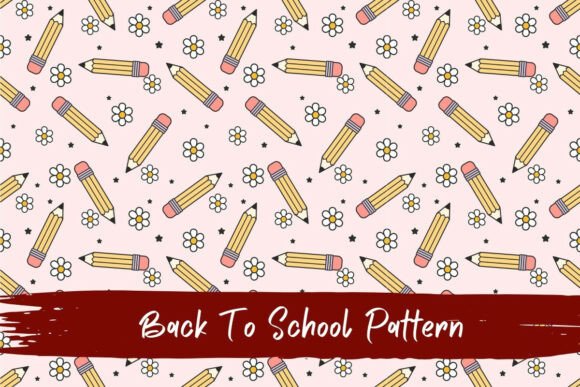
When planning a creative project that requires a cohesive visual theme, selecting the right digital asset is often the most critical step. The Back to School Pencil and Daisy Pattern offers a distinct aesthetic that blends classic educational motifs with soft, whimsical elements. This specific design features cute yellow pencils, white daisy flowers, and tiny stars set against a soft pink background. While it may appear simple at first glance, understanding its composition and intended use cases helps creators determine if it aligns with their specific needs compared to other available resources.
This pattern is designed as a seamless repeat, meaning the imagery connects continuously without visible breaks or edges. This technical characteristic is essential for applications requiring large surface areas, such as fabric printing or wrapping paper. Unlike single-image graphics, a seamless pattern allows for infinite tiling, making it versatile for both digital screens and physical media. The combination of the yellow pencils, white daisies, and star accents creates a balanced visual rhythm that avoids clutter while maintaining high energy and charm.
Evaluating the Design Aesthetic and Visual Impact
The primary distinction of this pattern lies in its color palette and subject matter. Many back-to-school designs rely on bold primary colors like bright blue, red, or green to evoke a sense of structure and discipline. In contrast, the Back to School Pencil and Daisy Pattern utilizes a soft pink background to soften the tone, creating an atmosphere that is welcoming and gentle rather than rigid. The inclusion of white daisies introduces a natural, organic element that contrasts nicely with the geometric shapes of the pencils and stars.
For designers working on projects targeting children or those seeking a nostalgic, vintage-inspired look, this approach offers a unique advantage. The pastel tones are less jarring to the eye than high-contrast neon patterns, making them suitable for backgrounds where text legibility is a priority. When comparing this style to more aggressive "school supply" themes, the decision often comes down to the desired emotional response. If the goal is to inspire creativity and joy rather than strict academic focus, the soft pink and daisy combination is a strategic choice.
The resolution and format also play a significant role in the user experience. Provided as a 12 x 12 inch PNG file at high resolution, this asset ensures that the details of the tiny stars and pencil tips remain crisp when scaled up. High-resolution digital downloads are generally preferred over low-quality vector files for raster-based printing methods, as they prevent pixelation. However, users must consider the limitations of a raster image versus a vector format when evaluating scalability for massive signage.
Comparing Use Cases: Fabric, Stationery, and Digital Media
Selecting the right pattern depends heavily on the medium through which it will be consumed. The Back to School Pencil and Daisy Pattern is explicitly marketed for a wide range of applications, including fabric printing, scrapbook pages, classroom decorations, stationery, wrapping paper, sublimation, and print-on-demand projects. Each of these categories presents different requirements regarding file format, color mode, and durability.
- Fabric Printing and Sublimation: For textile applications, the seamless nature of the pattern is vital. When designing a shirt or a tote bag, the repeating motif must flow naturally around the seams of the garment. The soft pink background works well with sublimation processes, which transfer dye into the fabric fibers. Unlike screen printing, which may struggle with subtle gradients, sublimation can reproduce the delicate shades of the daisy petals and pencil yellow effectively.
- Scrapbooking and Paper Crafts: In the realm of paper crafts, the 12 x 12 inch standard size is particularly convenient. Many scrapbookers work with standard-sized albums and cardstock. Having a pre-sized, high-resolution image eliminates the need for complex scaling adjustments. Furthermore, the non-editable nature of the file ensures that the integrity of the design remains intact, preventing accidental distortion during manipulation.
- Classroom Decorations: Teachers often look for materials that create a warm environment. A pattern featuring daisies and stars can transform a bulletin board or a reading nook into a cozy space. Compared to generic polka dot or plain solid colors, this thematic pattern adds character without overwhelming students. It strikes a balance between being decorative and functional, ensuring that the pattern does not distract from the learning materials placed upon it.
- Stationery and Wrapping Paper: For gift-giving occasions, especially for teachers or classmates, wrapping paper with a school theme is a thoughtful touch. The cute yellow pencils and white flowers provide a cheerful alternative to traditional holiday wrapping. The high resolution ensures that the print quality remains sharp even when the paper is folded or wrapped around bulky items.
Tradeoffs Between Raster and Vector Formats
A crucial factor in deciding whether to use this specific pattern is understanding the difference between raster (PNG) and vector formats. The Back to School Pencil and Daisy Pattern is provided as a PNG, which is a raster format. This means the image is made up of pixels. While the high resolution (12 x 12 inches) supports most standard printing and web uses, it has inherent limitations regarding infinite scaling.
If a user intends to enlarge the pattern to cover a billboard or a large wall mural, a raster file might lose clarity unless the original resolution was exceptionally high. In contrast, vector files can be scaled indefinitely without loss of quality. Therefore, for small-scale projects like greeting cards, stickers, or phone wallpapers, the PNG format is ideal and cost-effective. However, for large-format architectural graphics, a user might need to seek out a vector version of a similar design or hire a graphic designer to recreate the pattern in vector software. This tradeoff highlights the importance of matching the file type to the final output size.
Digital Downloads vs. Physical Products
Another significant consideration for potential buyers is the nature of the product itself. The listing specifies that this is a digital download only, with no physical item included. This distinction is fundamental to the modern marketplace for creative assets. Purchasing a digital pattern offers immediate access and flexibility but requires the buyer to handle the printing or manufacturing process.
Compared to buying pre-made physical products, such as a printed notebook or a ready-made poster, a digital download provides greater control over the final result. Users can choose their own paper stock, ink types, and binding methods. For instance, a teacher could print the pattern on durable cardstock for classroom signs, whereas a parent might use it to wrap a gift for a child's first day of school. This autonomy is a major benefit for DIY enthusiasts and small business owners who want to customize their inventory.
However, this convenience comes with responsibilities. Buyers must ensure their printers are calibrated correctly to match the soft pink background and yellow accents. Color shifting is a common issue in home printing, where the vibrant yellow of the pencils might appear duller than expected on screen versus paper. Additionally, users must account for the time and cost associated with sourcing materials. If a user needs a finished product immediately without the hassle of setup, purchasing a pre-printed item might be a better option despite the higher cost and lack of customization.
Decision Factors for Selecting This Pattern
Ultimately, choosing the Back to School Pencil and Daisy Pattern depends on a careful evaluation of the project goals, budget, and technical capabilities. It is the right choice when the user requires a charming, cohesive design that bridges the gap between education and whimsy. The presence of tiny stars and daisies makes it particularly effective for projects aimed at younger demographics or those seeking a softer, more feminine aesthetic compared to traditional industrial school supplies themes.
Conversely, this pattern may not be the best fit if the project demands extreme scalability for massive outdoor displays, given its raster format. It might also be less suitable for projects requiring a bold, high-contrast look that prioritizes visibility over subtlety. For example, a safety sign or a clear instructional chart would likely require a simpler, high-contrast design rather than a detailed floral and star pattern.
When comparing alternatives, users should look for patterns that offer similar thematic elements but perhaps in different color schemes or formats. Some options might feature black and white line art for coloring activities, while others might use darker, more serious tones for older students. The key is to assess whether the soft pink and yellow combination aligns with the brand identity or personal style of the end-user. By weighing the benefits of the seamless design, the high resolution, and the specific aesthetic against the limitations of the file format and the effort required for production, creators can make an informed decision that leads to successful outcomes.
In summary, the Back to School Pencil and Daisy Pattern stands out as a versatile tool for a variety of creative endeavors. Its blend of classic school icons with soft, natural elements provides a unique visual language that appeals to a broad audience. Whether used for fabric, stationery, or digital backgrounds, it offers a reliable foundation for projects that aim to celebrate the start of a new school year with warmth and style.